
Introduction to the World Cup and its Significance
The World Cup, an international football tournament held every four years, is the most widely viewed and followed sporting event in the world, with a massive following in regions like AR, AU, BR, DE, ES, FR, GB, IN, IT, NG, SA, and US. This summer, the tournament is trending globally, with keywords like World Cup, Messi, and Ronaldo dominating the headlines. With the expansion to 48 teams, the possibility of a record being broken for the most goals by a player at a World Cup is an exciting prospect.
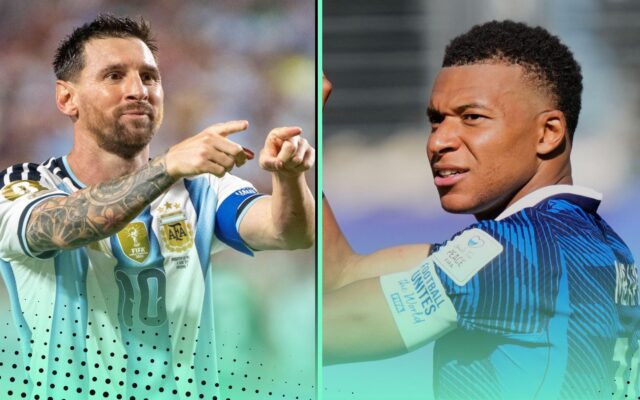
The World Cup has a rich history, and its significance extends beyond the football pitch. It brings nations together, fostering a sense of community and national pride. For players like Lionel Messi, Kylian Mbappe, and Erling Haaland, the World Cup is an opportunity to showcase their skills on the world stage and etch their names in the record books. The tournament’s ability to captivate audiences worldwide is a sign of its enduring appeal, with fans from all walks of life uniting to support their favorite teams and players.
Most World Cup Goals in a Single Tournament
Only a select few have managed to score double figures in a single World Cup tournament. The current record holders include Fontaine, Kocsis, Muller, Ademir, Eusebio, Stabile, and Ronaldo. These players have demonstrated exceptional skill and dedication to their craft, leaving an indelible mark on the tournament’s history. Their achievements serve as a benchmark for future generations of players, inspiring them to strive for greatness on the biggest stage in football.
Fontaine, for instance, scored an impressive 13 goals in the 1958 World Cup, a record that stood for 16 years. His achievements in the tournament were remarkable, with a hat-trick on debut against Paraguay and a goal in every subsequent game. Similarly, Kocsis, Muller, and Ademir have all left their mark on the World Cup, with their impressive goal-scoring feats. Kocsis scored 11 goals in the 1954 World Cup, with a hat-trick on debut against South Korea, while Muller scored 10 goals in the 1970 World Cup, with hat-tricks in consecutive group games.
Notable Achievements
- Fontaine scored 13 goals in the 1958 World Cup, a record that stood for 16 years.
- Kocsis scored 11 goals in the 1954 World Cup, with a hat-trick on debut against South Korea.
- Muller scored 10 goals in the 1970 World Cup, with hat-tricks in consecutive group games.
- Ademir scored 9 goals in the 1950 World Cup, with a four-goal haul against Sweden.
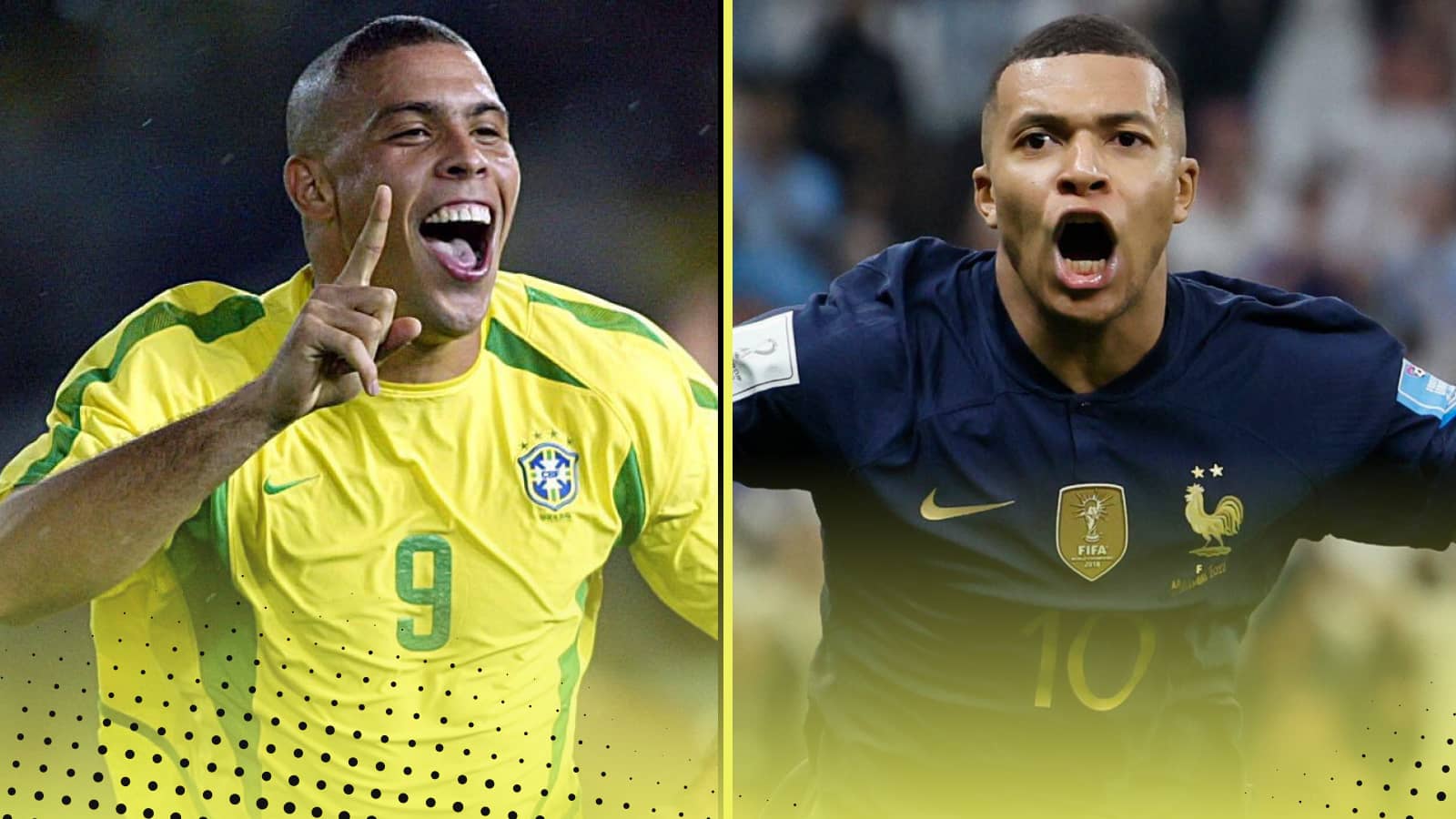
Eusebio, Stabile, and Ronaldo have also achieved notable success in the World Cup, with their impressive goal-scoring feats. Eusebio scored 9 goals in the 1966 World Cup, with a four-goal haul against North Korea. Stabile scored 8 goals in the 1930 World Cup, with a hat-trick on debut against France. Ronaldo scored 8 goals in the 2002 World Cup, with a brace in the final against Germany. These players have demonstrated their ability to perform under pressure, rising to the occasion when it matters most.
Analysis of the Current Crop of Players
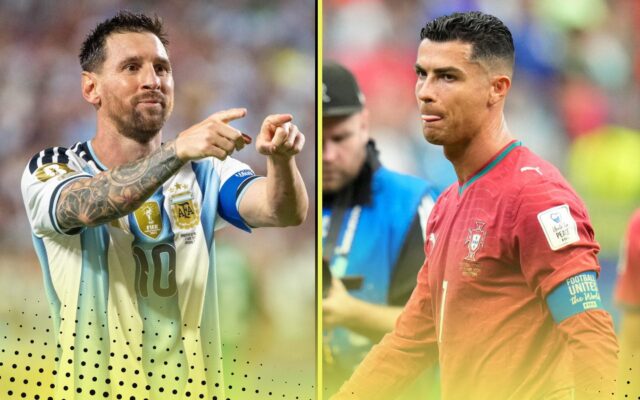
The current crop of players, including Messi, Mbappe, and Haaland, have the potential to break the record for the most goals scored in a single World Cup tournament. With their impressive goal-scoring feats in recent years, they have established themselves as among the best players in the world. Messi, in particular, has been in exceptional form, with his ability to score goals from anywhere on the pitch making him a formidable opponent for any team.
Mbappe, on the other hand, has been making waves with his lightning-quick speed and clinical finishing. His ability to score goals in big games has earned him a reputation as one of the most feared strikers in the world. Haaland, meanwhile, has been scoring goals for fun, with his impressive tally in recent years making him a strong contender for the Golden Boot award.
Key Factors Contributing to Success
- Exceptional skill and technique, allowing players to score goals from anywhere on the pitch.
- Ability to perform under pressure, rising to the occasion when it matters most.
- Strong team support, providing players with the opportunity to showcase their skills and score goals.
- Effective tactics and strategy, allowing teams to create scoring opportunities and capitalize on them.
These factors have contributed to the success of players like Fontaine, Kocsis, Muller, Ademir, Eusebio, Stabile, and Ronaldo in the World Cup. They have demonstrated their ability to score goals consistently, even in the face of tough opposition and intense pressure. As the current crop of players looks to emulate their achievements, they will need to possess these same qualities in abundance.
Conclusion and Future Prospects
The World Cup is a tournament like no other, with its unique blend of skill, strategy, and drama. As the current edition unfolds, fans are eagerly anticipating the outcome, with the possibility of a new record being set for the most goals scored in a single tournament. With Messi, Mbappe, and Haaland leading the charge, the future of football is bright, and the World Cup will continue to be the premier stage for the world’s best players to showcase their talents.
The significance of the World Cup extends beyond the football pitch, with its impact felt across the globe. The tournament has the power to unite nations, foster community, and inspire generations. As the world watches with bated breath, one thing is certain – the World Cup will remain an integral part of football’s rich heritage, with its legacy continuing to inspire and captivate audiences for years to come.
The stage is set for an exciting conclusion to the tournament, with the world’s best players ready to give it their all and etch their names in the record books.
Original article by Planet Football. Read the original here: Planet Football
All images are the property of their respective owners and are used under editorial fair use for commentary.